
Burgundians test
- Unexpected end tag : div at line 371, column 314
BURGUNDY · THE LOW COUNTRIES · MEDIEVAL COINAGE
Uncovering the Stories Behind the Coins
The rise of the House of Valois-Burgundy is one of the most spectacular chapters in European history. In just over a century, a succession of ambitious dukes transformed a modest French fiefdom into a sprawling, wealthy empire that rivaled the greatest kingdoms of the era. Their story is a thrilling saga of tactical marriages, bloody rivalries, and sweeping economic reforms that laid the foundations for the modern Low Countries. But this grand political drama wasn’t just written in blood and treaties—it was stamped directly into the gold and silver coinage of the realm.
For collectors and historians alike, medieval Burgundian coins serve as tangible witnesses to this volatile age. Each piece acts as a dynamic propaganda tool, projecting a ruler’s shifting titles, territorial expansions, and dynastic ambitions straight into the hands of their subjects. By learning how to read the complex heraldry, hidden mint marks, and shifting weights of these fascinating issues, you gain a unique window into the minds of the rulers who shaped the destiny of Europe. Explore the individual stories below to discover the history behind the coins.
Browse coins of the Burgundian Netherlands currently available
Burgundy was more than one territory
The Duchy of Burgundy lay in eastern France, separate from the dukes' possessions in the Low Countries. Flanders, Brabant, Hainaut and Holland were among the territories they brought together. These lands shared a ruler, but kept their own rights and institutions. Their coins often preserve those local differences.

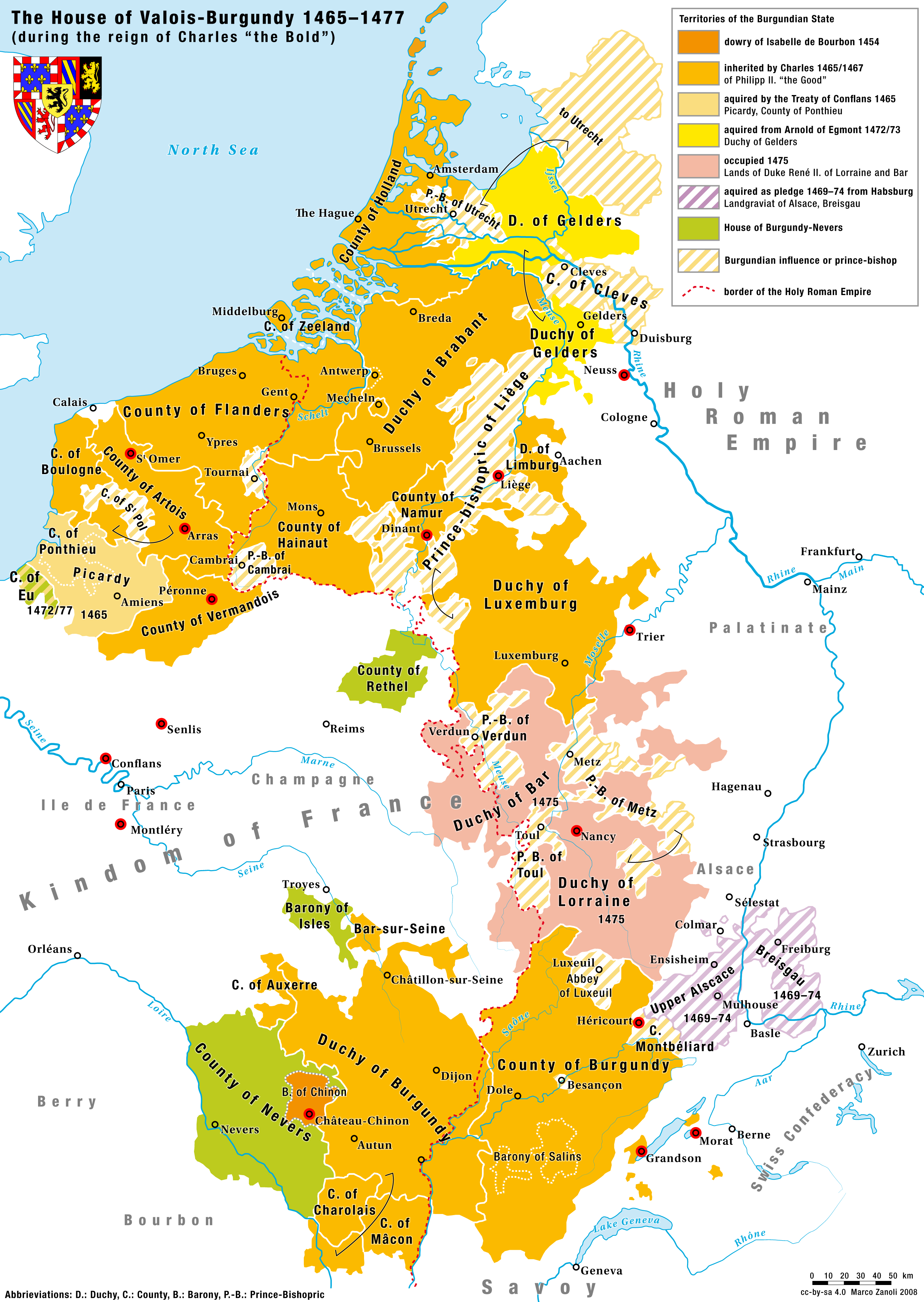


This page ends with Philip the Handsome in 1506. Although he belonged to the House of Habsburg, he inherited the Burgundian lands through his mother, Mary. His reign forms a useful closing chapter before the much wider ambitions of his son, Charles V.
Dates below describe each ruler’s position or government. Individual coins may belong to a shorter issue period. Archived examples illustrate the history and are not necessarily available for purchase.
Philip the Bold
Filips de Stoute
Duke of Burgundy, 1363–1404 · Count of Flanders, 1384–1404
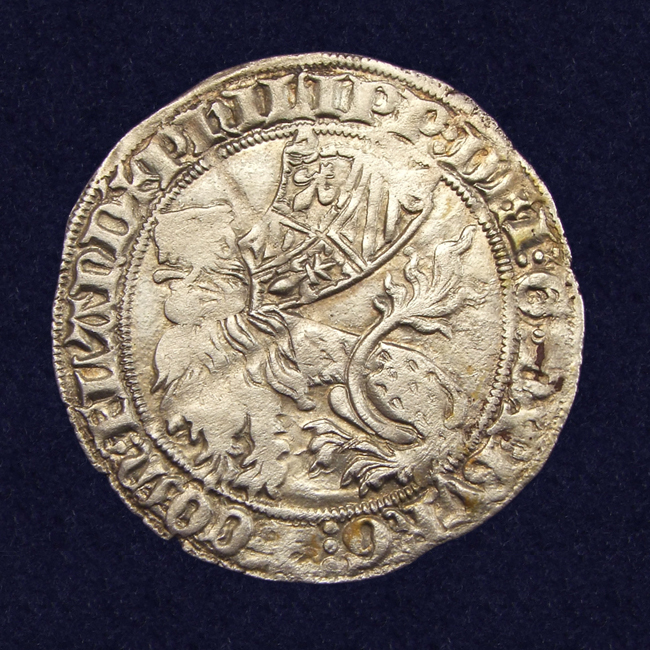
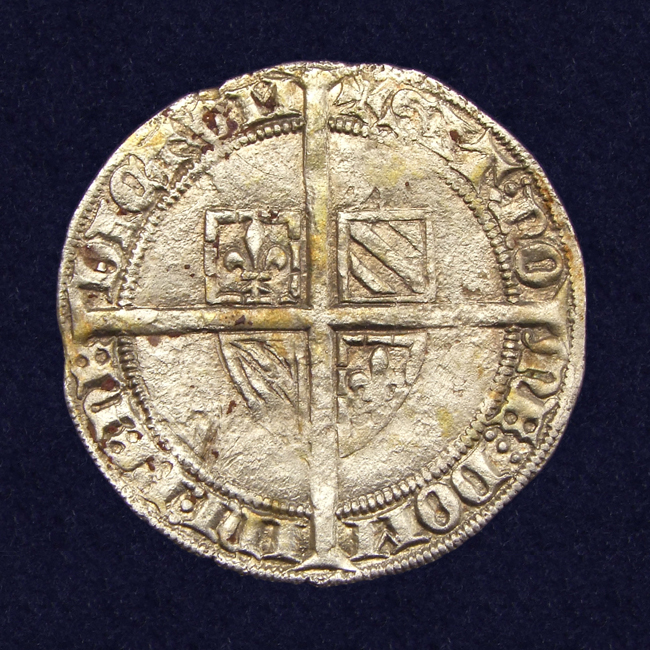
Flemish botdrager struck under Philip the Bold. Obverse and reverse; photographs from the NumisAntica archive.
Marriage That Forged an Empire
When Philip the Bold, a son of King John II of France, received the Duchy of Burgundy in 1363, no one could have predicted how far his shadow would fall. His masterstroke came six years later with his marriage to Margaret of Flanders. When his father-in-law died in 1384, Margaret’s immense inheritance brought Artois and the fabulously wealthy Flemish trading towns directly into the Burgundian family’s hands. This single union laid the foundational stone for the Valois dukes’ dramatic expansion into the Low Countries, creating a powerful new regional force out of thin air.
The Lion and the Diverse Money of the Realm
Ruling this new territory was a chaotic balancing act, as Philip’s possessions did not form a single, unified country. Every province clung fiercely to its own unique customs, legal privileges, and local currency. In Flanders, this led to the striking of the iconic silver botdrager. The coin earned its popular nickname from the massive heraldic helmet worn by the lion on its original design, though later issues placed a majestic mantle over the beast. For the countless citizens who could not read the Latin inscriptions circling the edge, this proud Flemish lion served as an instantly recognizable emblem of local identity and fiscal authority.
John the Fearless
Jan zonder Vrees
Duke of Burgundy, 1404–1419
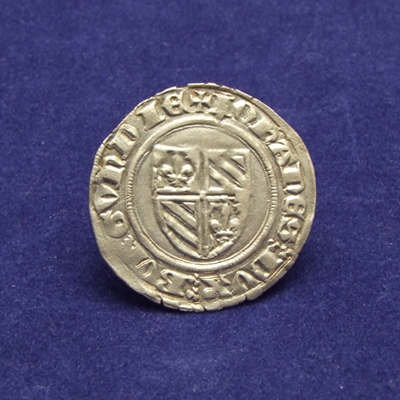
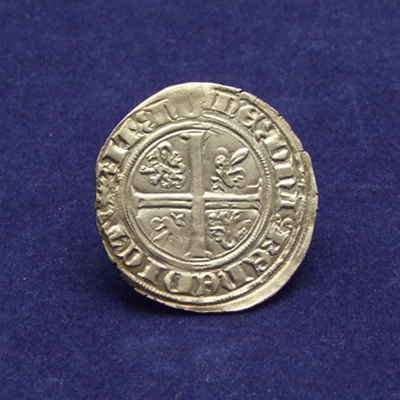
Grand blanc of John the Fearless, issued in Burgundy. Obverse and reverse; NumisAntica archive photographs.
Violent Rivalry at the French Court
When John inherited his father's vast Burgundian and Flemish lands in 1404, he stepped straight into a political hurricane. France was deeply fractured by the Hundred Years’ War, and John aggressively fought for control over the French royal court. This bitter rivalry turned bloody in 1407, when he ordered the assassination of his main competitor, Louis, Duke of Orléans. But live by the sword, die by the sword: twelve years later, John met the exact same fate when he was cut down on the bridge at Montereau during a tense meeting with the young Dauphin, Charles-the future King Charles VII of France.
Reading the Disrupted Coinage
This chaotic rule is mirrored in the coinage of the time. The silver grand blanc pictured here wasn’t minted in his wealthy Flemish territories, but in the heart of Burgundy itself. Even though John ruled both regions, they maintained completely separate monetary systems. For collectors, this is where the fun begins: by looking closely at the specific regional titles and subtle design variations, you can pinpoint exactly which side of his fractured territory a specific coin came from.
Philip the Good
Filips de Goede
Duke of Burgundy, 1419–1467
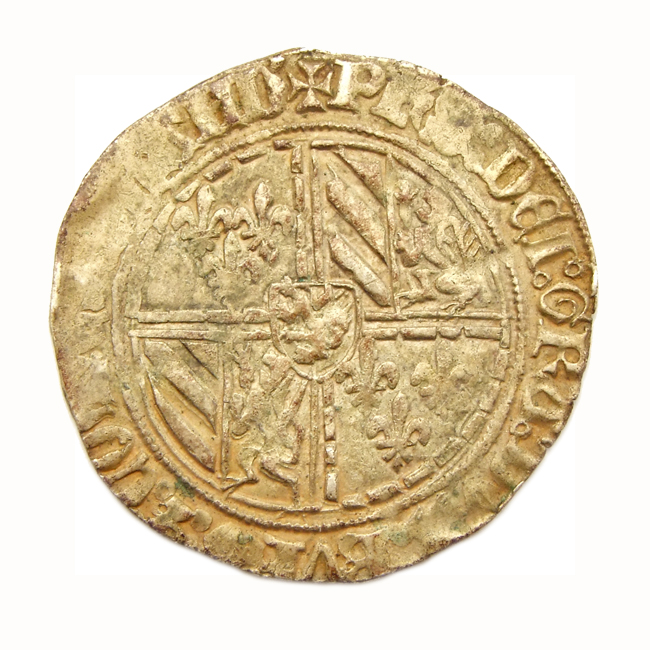
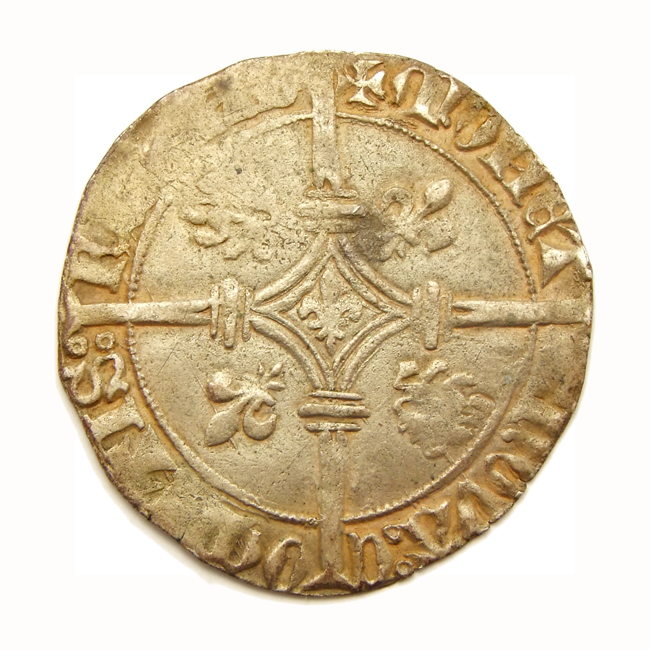
Flemish vierlander of Philip the Good. This silver denomination was part of his common coinage for four territories.
The Architect of the Burgundian Netherlands
Philip the Good was the true force behind the unification of the Low Countries. Through a masterclass in political maneuvering, strategic inheritance, and outright purchase, he systematically absorbed wealthy provinces like Brabant, Limburg, Hainaut, Holland, and Zeeland under a single crown. Under his long and stable rule, his glittering court quickly became Europe’s epicenter of artistic patronage and cultural prestige, forever transforming the region into a global powerhouse.
Chivalry and Power: The Order of the Golden Fleece
To bind the fiercely independent high nobility to his grand dynastic vision, Philip founded the legendary Order of the Golden Fleece in 1430. This elite chivalric order wasn’t just a tool for courtly prestige; its striking insignia became an ultimate symbol of Burgundian power. The order’s influence was so deeply woven into the fabric of the state that its symbols were struck directly into the gold and silver coinage, projecting the duke’s authority into the hands of every merchant in Europe.
The Vierlander: One Coin for Four Lands
Before Philip’s rule, merchants faced a financial nightmare of varying regional currencies. Philip tackled this economic chaos head-on with his sweeping monetary reforms of 1433–1434, introducing a unified silver denomination shared across Flanders, Brabant, Hainaut, and Holland. This groundbreaking double groot became widely known as the vierlander. While these silver coins shared identical standards to make trade effortless, look closely and you will find tiny, deliberate variations in the Latin inscriptions. These subtle mint marks allowed individual provinces to proudly stamp their local identity onto a shared imperial currency.
Charles the Bold
Karel de Stoute
Duke of Burgundy, 1467–1477
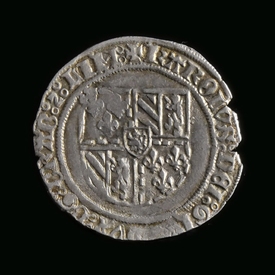
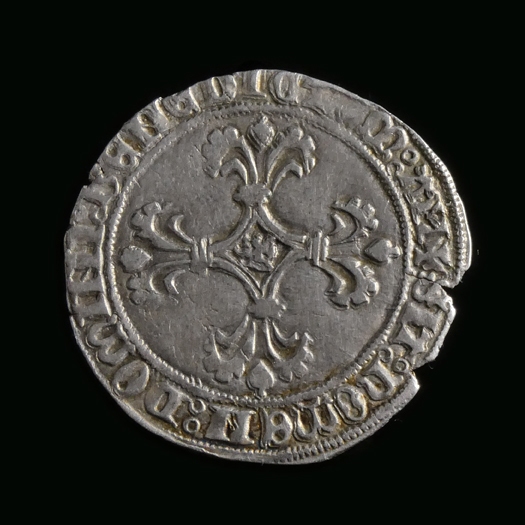
Charles the Bold: silver double stuiver, Leuven, 1468–1474. Undated.
Chasing a Crown, Meeting a Battlefield Fate
Charles the Bold was driven by a fierce, uncompromising ambition to transform the Burgundian lands into a fully independent kingdom. Yet, his aggressive military campaigns ultimately led to his spectacular undoing. In 1477, his dreams ended abruptly at the frozen Battle of Nancy, where he lost both the fight and his life, leaving no male heir. His sudden death threw the empire into a massive succession crisis. While the French crown immediately seized the ancestral Duchy of Burgundy, Charles’s daughter Mary fought tooth and nail to protect the Netherlandish territories, forever altering European history by marrying into the powerful Habsburg dynasty.
Decoding the Double Stuiver of Leuven
The money struck during Charles’s tumultuous decade on the throne serves as a striking political statement. A prime example is his silver double stuiver, minted in the Brabant town of Leuven between 1468 and 1474. You won’t find a stamped year on this piece; instead, numismatists date it through surviving medieval minting records. The coin’s intricate layout is a lesson in heraldry. One side proudly displays the quartered Burgundian shield, packed with regional symbols, while the other features an elegant floriated cross centered around a tiny, defiant lion—a compact testament to a duke who wore his grand titles with pride.
Mary of Burgundy
Maria van Bourgondië · Maria de Rijke
Ruler of the Burgundian Netherlands, 1477–1482
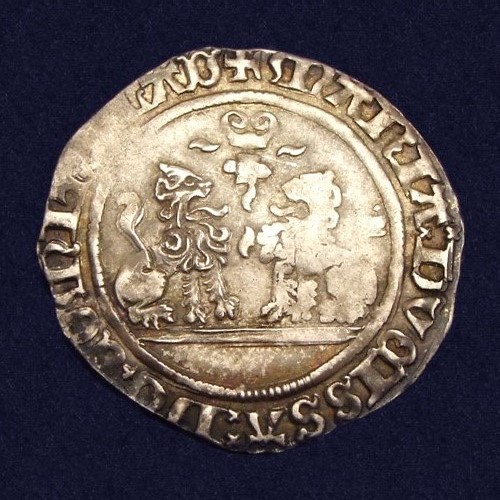
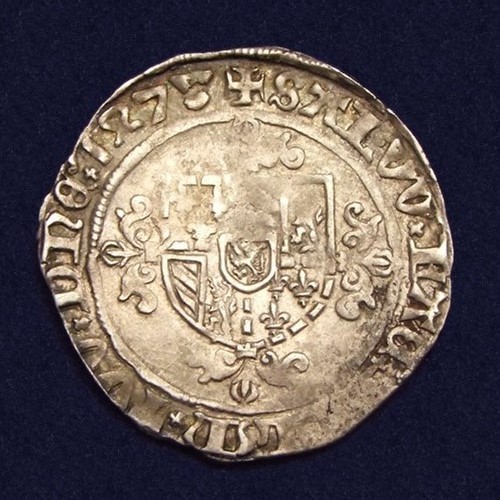
Mary of Burgundy: double briquet struck at Bruges in 1478. Obverse and reverse; NumisAntica archive photographs.
A Courageous Duchess Against the French Crown
At just nineteen years old, Mary of Burgundy inherited an empire on the brink of collapse. Following her father’s sudden death on the battlefield, the French king immediately moved to seize her lands, while wealthy Netherlandish towns revolted to demand their old liberties back. Trapped between a foreign invasion and domestic unrest, Mary showed incredible political savvy. She signed the Great Privilege, restoring crucial rights to her subjects in exchange for their loyalty. Her strategic marriage to Maximilian of Austria in that same chaotic year successfully kept the French at bay, forever tying the wealthy Burgundian lands to the powerful House of Habsburg.
Striking Sparks: The Fire Steel on the Briquet
Mary’s short and turbulent reign is beautifully captured in the silver coins struck under her authority, such as the double briquet minted in Bruges in 1478. The coin takes its intriguing name from the prominent fire steel—an iron tool used with flint to strike sparks—displayed on its surface. This fire steel wasn’t just a random decorative choice; it was the ultimate dynastic emblem of the Burgundian dukes, also famously featured in the collar of the prestigious Order of the Golden Fleece. Once you recognize its unique, looping shape on the briquet, you will easily spot this powerful symbol of resilience across many other regional issues of the era.
Philip the Handsome
Filips de Schone
Inherited in 1482 · Personal rule, 1494–1506
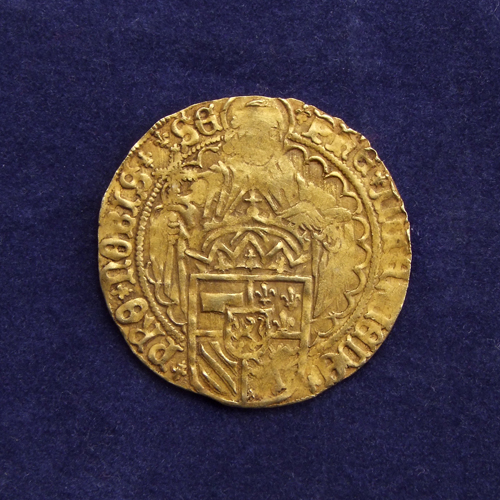
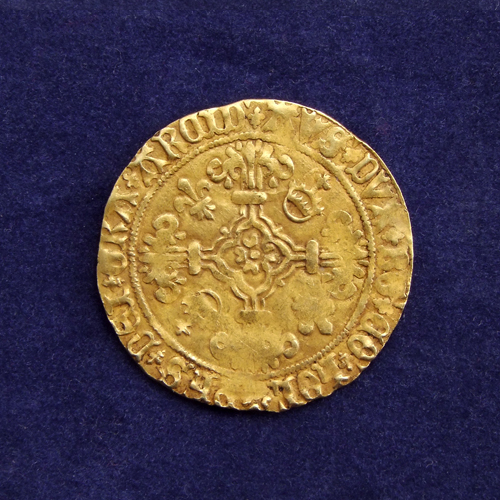
St Philip gold gulden of Philip the Handsome, Dordrecht, 1499–1506. Obverse and reverse; NumisAntica archive photographs.
From a Tragic Regency to the Spanish Throne
The life of Philip the Handsome was defined by a tragic beginning and a breathtaking geopolitical expansion. Just four years old when his mother, Mary of Burgundy, died after a tragic horse-riding accident, Philip was thrust into the center of a volatile regency under his father, Maximilian of Austria. Yet, his true date with history came through his marriage to Joanna of Castile, later known as Joanna the Mad. This legendary union dramatically shifted the scales of European power, opening the door for the Burgundian-Habsburg dynasty to inherit the entire Spanish Empire. Philip’s sudden death in 1506 cut his reign short, but the political bridge he built paved the way for his son, Charles V, to rule over an Empire where the sun never set.
The Imperial St. Philip Gulden
This ultimate transition from a regional duchy to a global empire is beautifully captured in Philip’s late coinage, such as the gold St. Philip gulden minted in Dordrecht between 1499 and 1506. The coin marks a fascinating evolution in design: while the reverse still displays the traditional quartered shield of Burgundy, it is now surmounted by the majestic eagle of the Holy Roman Empire. The obverse features Saint Philip holding his iconic cross, a proud heraldic statement that perfectly mirrors a young ruler standing at the crossroads of medieval tradition and a massive global future.
A Collector’s Checklist: Decoding a Burgundian Coin
Names and titles
The Latin legends circling the edge are the ruler’s political business card. Look closely for abbreviations like DVX (Duke) and COMES (Count). By reading the sequence of territories listed—such as Burgundy (BVRG), Flanders (FLAD), or Brabant (BRAB)—you can chart the exact geopolitical reach of the dynasty at the moment that specific coin was struck.
Shields and heraldry
In an age when most citizens couldn’t read, heraldic symbols did the talking. The quartered Burgundian shield is packed with meaning, blending royal French lilies with the proud lions of Flanders, Brabant, or Limburg. Spotting these individual elements tells you instantly which regional identities the duke was trying to appease or dominate.
The mystery of dates
Do not expect to find a clear four-digit year on most of these pieces; absolute dating was rare in the medieval era. Instead, numismatists rely on changing mint marks (like a hand for Antwerp or a lily for Bruges), subtle adjustments in weight, or the evolution of the ruler’s titles to place the coin accurately on the timeline.
The individual piece
Beyond the official design, look for the unique history left by the people who actually handled the money. Scratches, uneven hand-striking, and clipping (where precious metal was shaved off the edges) tell a vivid story of medieval commerce, survival, and the daily reality of a turbulent cash economy.
Continue exploring
If you would like to see more examples, our dedicated collection brings together the coins of the Burgundian Netherlands currently available. The selection changes as pieces are added or sold. The photographs on this history page remain examples to study, whether or not the individual coin is still available.
Sources and further reading
Written and illustrated by NumisAntica. Historical context and coin terminology checked against museum collections, archival information and numismatic references. All coin photographs on this page are from NumisAntica.