While Roman coinage is renowned for showcasing the profiles of mighty Emperors, the portraits of their wives, mothers and daughters offer an equally captivating look into imperial politics. In a society where women held no formal legislative office, the coins minted in their names became vital instruments of state propaganda and dynastic stability. These pieces are not merely currency; they offer a direct window into the profound influence wielded by the Augustae within the Roman Empire.
Imperial Propaganda and Female Virtue
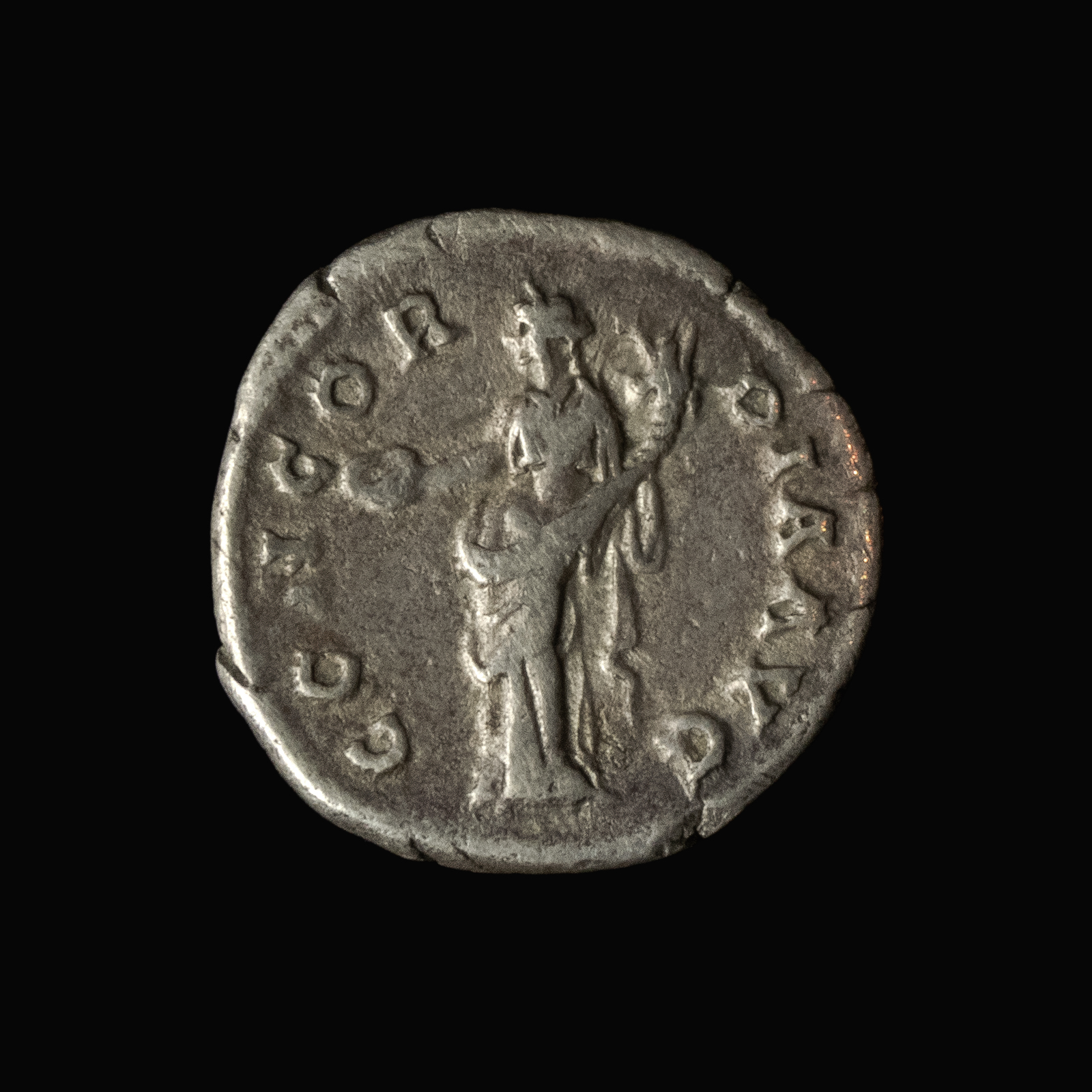
Unlike their husbands, who used coinage to celebrate military conquests and political triumphs, Roman Empresses were depicted to signal security and moral continuity. Their coins frequently featured reverse types dedicated to personifications like Concordia (harmony), Pietas (piety) and Fecunditas (fertility). By promoting these traditional values, the imperial court reassured citizens of the state’s internal peace and the moral purity of the ruling family.
Legitimising Dynastic Succession
In the volatile world of Rome, securing succession was paramount. Coins featuring the Empress were strategically issued to familiarise the public and the Legions with the imperial bloodline. Showing an Augusta alongside her children, or bearing titles that emphasised her motherhood, served a crucial political purpose: reinforcing the legitimacy of the next heir to the throne. From Faustina the Younger to Julia Domna, these coins secured the survival of Empires.
Identifying Imperial Women on Roman Coinage
To understand the role of these powerful women, one must look closely at the numismatic details that set their coinage apart from that of the Emperors. For collectors and historians alike, the portraits of the Augustae provide a fascinating study in shifting artistic styles and political messaging.
Distinctive Hairstyles and Changing Fashion
One of the most reliable ways to identify and date these coins is through the elaborate hairstyles of the Empresses. Imperial fashion was set by the court in Rome and copied across the Empire. The tightly braided waves of Livia, the complex, piled curls of the Flavian women, and the heavy, helmet-like wigs of the Severan Dynasty were all engraved with meticulous detail. These portraits served as the fashion magazines of the ancient world, allowing citizens in distant provinces to see the current style of the capital.
Titles of Honour and Divinity
The inscriptions on these coins offer vital clues about an Empress's status and power. While living imperial women were often granted the title Augusta, their influence frequently extended beyond their earthly lives. Upon their death, many prominent Empresses were officially deified by the Senate. Coins struck in honour of a consecrated Augusta feature the inscription Diva, depicting the deceased Empress ascending to heaven or represented by an peacock, the sacred symbol of the goddess Juno.
The Historical Evolution of Empress Coinage
The depiction of women on Roman currency evolved significantly over the centuries, reflecting the shifting balance of power within the imperial court. By tracing this numismatic timeline, collectors can see how the public role of the Augustae grew from quiet influence to overt political dominance.
The Early Empire: Subtle Influence
During the Julio-Claudian and Flavian dynasties, the presentation of imperial women was modest and bound by tradition. Emperors like Augustus were careful not to appear as absolute monarchs, meaning their female relatives were rarely granting full political prominence on Roman coins. Instead, figures like Livia or Antonia Minor were subtly idealised, often appearing under the guise of goddesses to emphasise the family's piety without upsetting Republican sensibilities.
The Golden Age: The High Empire
By the second century, during the Antonine period, the status of the Empress had solidified. Women like Faustina the Elder and Faustina the Younger were celebrated extensively on vast quantities of coinage. This era marked a massive increase in the production of female-centric issues. The court used these coins to project an image of global harmony and domestic stability, making the Empress's image central to the Empire’s identity.
The Third Century: Sovereign Power
During the Severan Dynasty and the Crisis of the Third Century, imperial women achieved unprecedented authority. Empresses like Julia Domna, Julia Maesa and Otacilia Severa were powerful political players who actively managed state affairs. Their coins reflect this reality, presenting them with majestic, commanding portraits. They were regularly honoured with grand titles such as Mater Castrorum (Mother of the Camps), showing their direct and vital connection to the Roman Legions.
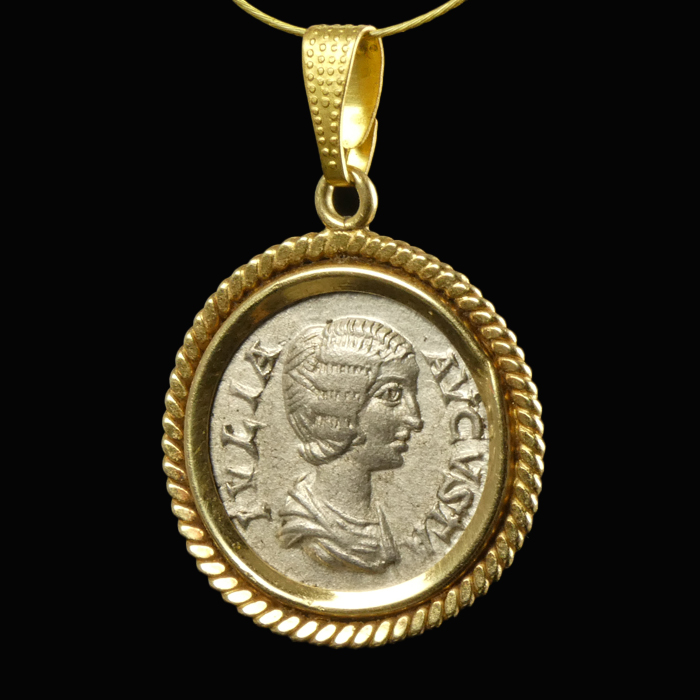
A golden coin pendant featuring the iconic, elaborately waved hairstyle of Empress Julia Domna.
The Late Empire: Devotion and Dynastic Legitimacy
By the fourth century, during the Constantinian and Valentinian dynasties, the role of the Empress underwent a profound transformation.
Christian Empresses like Helena, Fausta, and Flaccilla were no longer depicted as pagan goddesses, but as pillars of piety and divine security. Their coinage focused heavily on themes of public welfare, Christian devotion, and dynastic legitimacy.
The portraits evolved from the soft realism of earlier centuries into highly stylized, majestic representations adorned with elaborate diadems, signaling their exalted status as core figures in a heavily centralized Christian monarchy.
Imperial Women Through the Centuries
From the first imperial dynasty to the late third century,
these six women reveal changing expressions of identity,
memory and power. The periods below provide historical context,
rather than exact dates for the illustrated coins.
Her coinage emphasised partnership and concord
within the imperial household of Aurelian.
Six Women, Six Different Messages
Throughout imperial history, several exceptional women left an indelible mark on the Roman monetary system. Their coins remain highly sought after by collectors for their historical importance and exceptional artistry.
Livia
Wife of Augustus · Mother of Tiberius
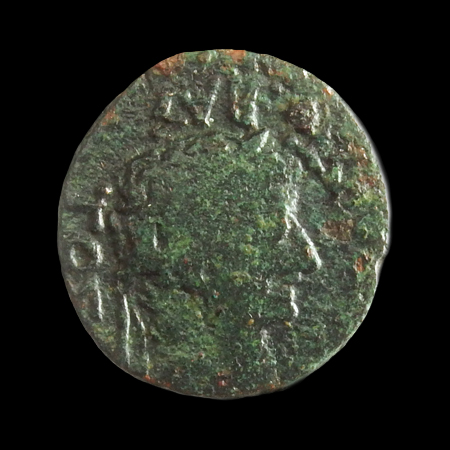
Tiberius, son of Livia and successor to Augustus.
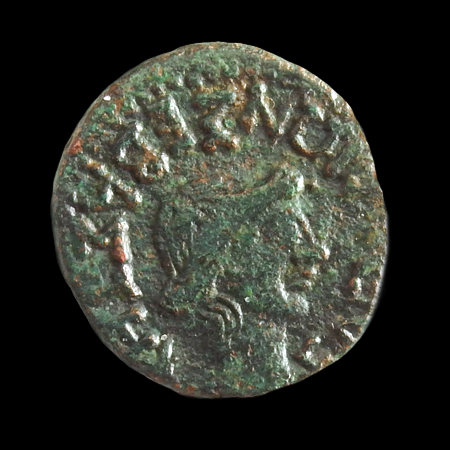
Livia on a provincial bronze from Thessalonica.
Provincial bronze of Thessalonica: Tiberius on the obverse,
Livia on the reverse. NumisAntica photographs.
The First Augusta
As the wife of Augustus, Livia established the blueprint for all future Roman Empresses. Although her portrait rarely appeared on official Roman silver during her lifetime, she was frequently depicted as a personification of justice or piety on provincial issues and bronze coinage. Her marriage to Augustus and her position as the mother of Tiberius linked successive generations of the ruling family. Her public portraits were often idealised rather than records of her appearance at a particular age. Her coins project the image of the ideal Roman matriarch, essential to the stability of the new Principate.
This provincial bronze places Tiberius on one side and Livia
on the other. The pairing makes their family relationship
visible in a small, widely circulating object. Its Greek
inscriptions also remind us that Roman imperial imagery
reached communities with their own languages and civic
traditions.
The Greek obverse inscription identifies Tiberius Caesar
Augustus. RPC records the reverse inscription as
ΣΕΒΑΣΤΗ ΘΕΣΣΑΛΟΝΙΚΕΩΝ,
referring to the Augustan city of the Thessalonians.
Silver denarius of Sabina with Concordia on the reverse.
NumisAntica photographs.
The Public Image of Imperial Harmony
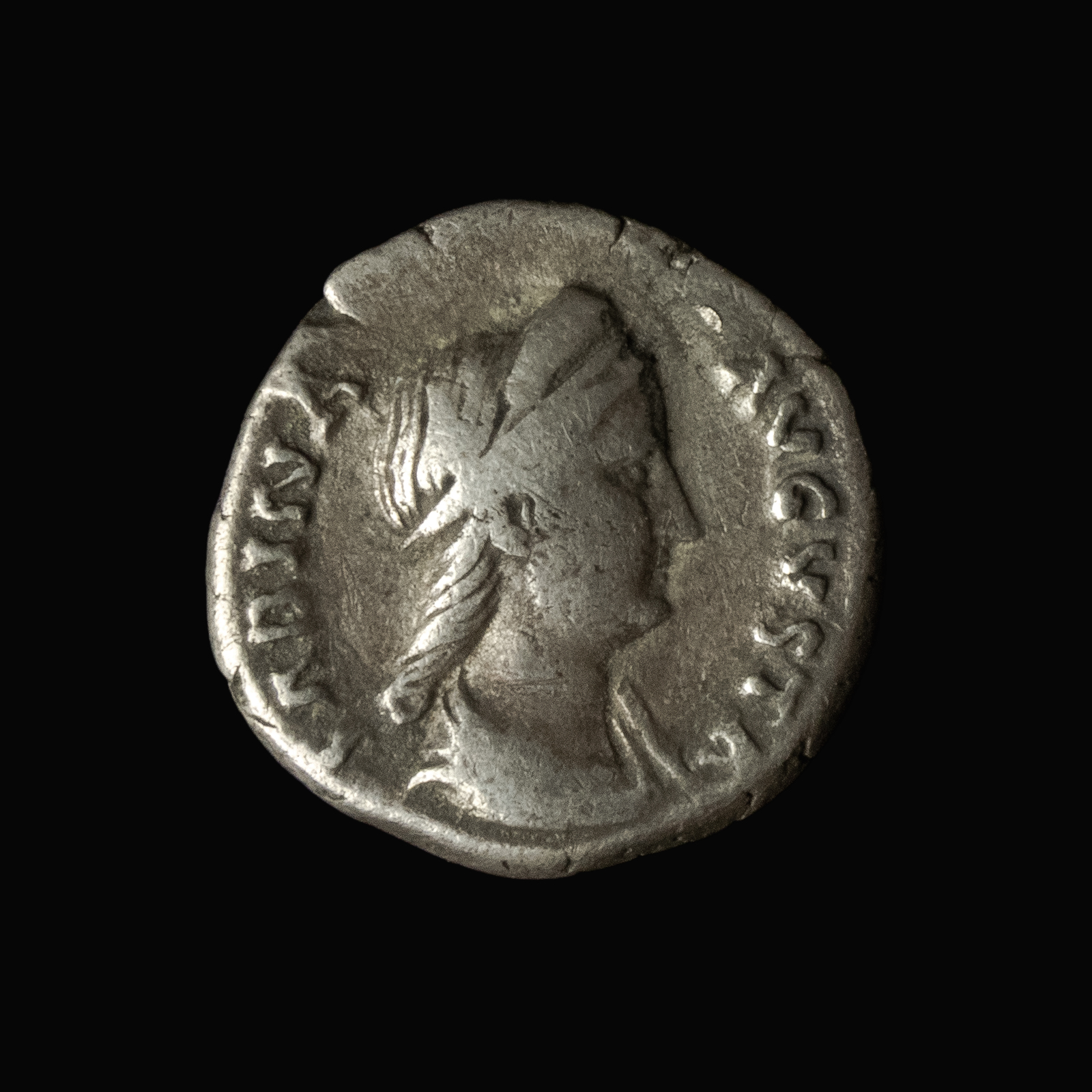
Sabina married Hadrian before his ascension to the throne and became one of the most travelled Empresses in Roman history, even accompanying her husband on his famous tour of Egypt. Her coin portraits are highly valued by numismatists because her carefully arranged hairstyles changed significantly over time, providing collectors with a reliable method to date different issues and track changes in official imperial imagery.
The reverse of Sabina's coinage frequently depicts the goddess Concordia holding a patera (an offering dish) and a cornucopia (the horn of plenty). These themes of harmony and abundance were designed to complement the dignified portrait of the Empress. However, this imagery reflects the political order and stability that the imperial court wished to project to the public; it should not be taken as proof of happiness within what ancient historians describe as a deeply strained and loveless private marriage.
SABINA AVGVSTA identifies Sabina with
the honorific title Augusta.
CONCORDIA AVG associates concord or
harmony with the imperial house. The letter V also serves
as U in these Latin inscriptions.
Wife of Antoninus Pius · Commemorated as Diva Faustina
Faustina the Elder, commemorated after her death.
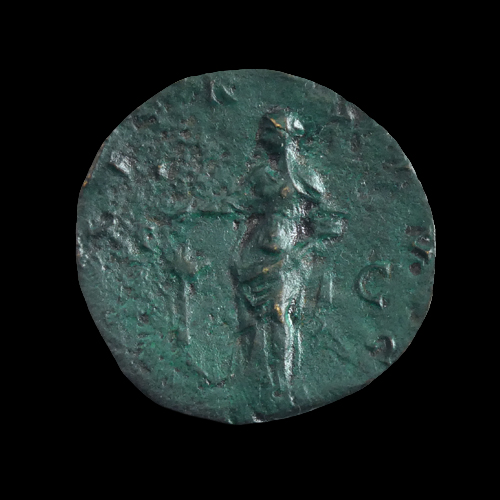
Pietas making an offering at an altar.
Posthumous sestertius of Faustina the Elder, with a left-facing
portrait and Pietas at an altar. NumisAntica photographs.
The Eternal Diva
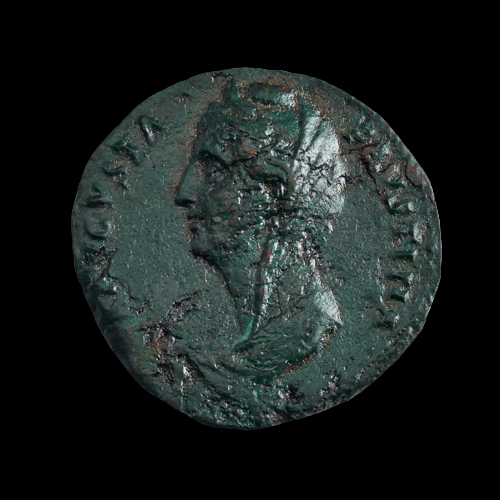
Wife of Antoninus Pius, Faustina the Elder became one of the most prominent faces on Roman currency due to an unprecedented numismatic phenomenon. Following her tragic and early death in 141 AD, the devastated Emperor officially deified her, launching a massive, decades long minting campaign in her honour. Her coins, bearing the inscription Diva Faustina, show a beautifully serene portrait with her hair elaborately braided and piled high. The reverse designs often feature temples, altars, or the goddess Aeternitas (eternity), serving as permanent monuments to her memory and making her coinage some of the most iconic and recognisable in the ancient world.
On this sestertius, Pietas makes an offering at an altar.
For Roman viewers, piety involved obligations to gods, family
and community. The broad bronze coin offers space for both
an elaborate portrait and a ritual scene.
DIVA AVGVSTA FAVSTINA identifies the
deified Faustina Augusta.
PIETAS AVG presents piety in an imperial
context. Here DIVA is a crucial clue: this is a commemorative
issue, not a portrait struck simply because Faustina was
still alive.
Wife of Septimius Severus · Mother of Caracalla and Geta
Julia Domna, empress of the Severan dynasty.
Diana Lucifera carrying a long torch.
Silver denarius of Julia Domna with Diana holding a long torch
on the reverse. NumisAntica photographs.
Influence Beyond the Household
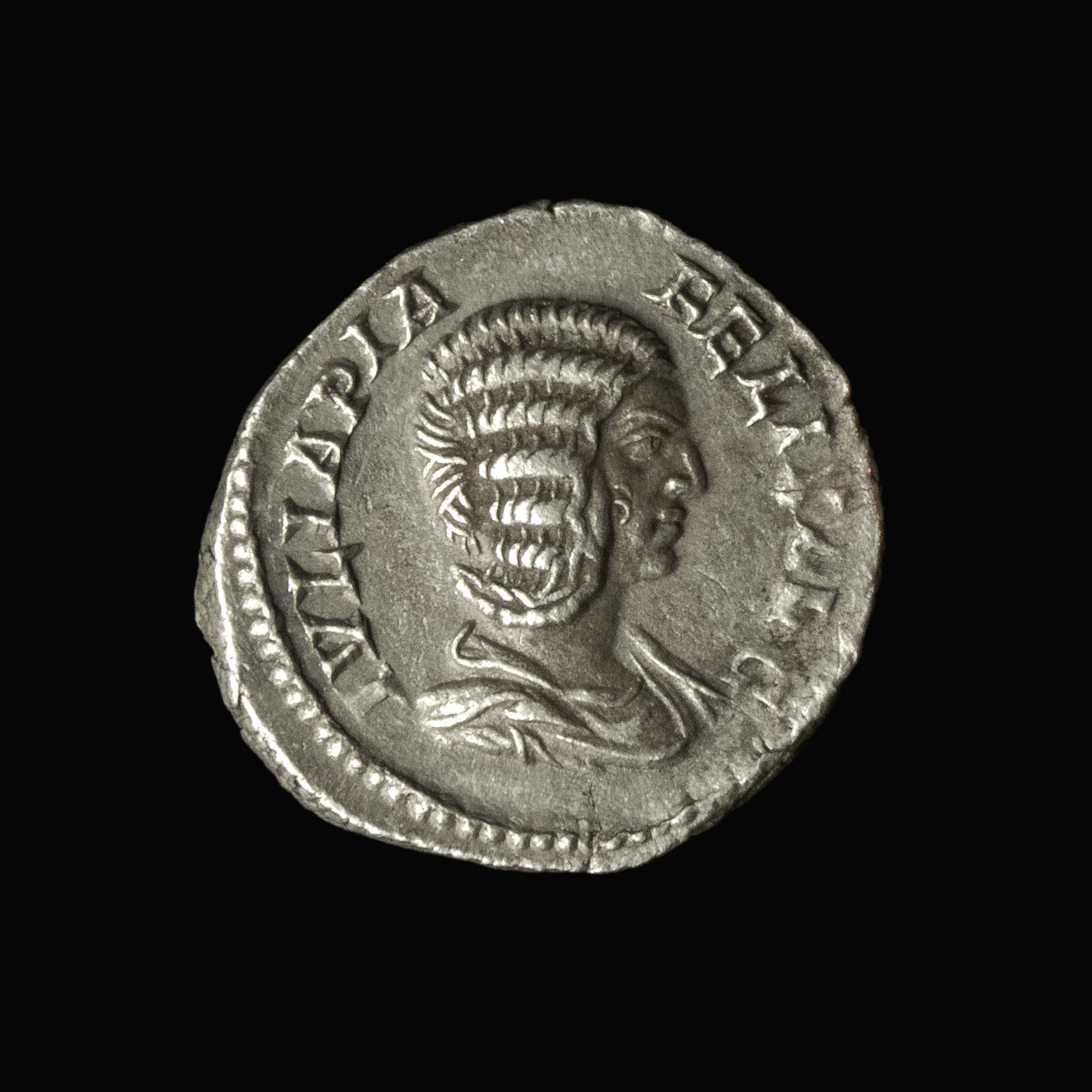
The Syrian born wife of Septimius Severus, Julia Domna was arguably the most politically powerful woman of the Principate. As the wife of Septimius Severus and later the mother of the reigning Caracalla, she remained a prominent public figure across two reigns. Her coins are majestic and abundant, reflecting her immense influence over the state and the military. She was granted unprecedented titles on currency, and her distinctive, wavy wig hairstyle makes her coinage instantly recognisable to any numismatist.
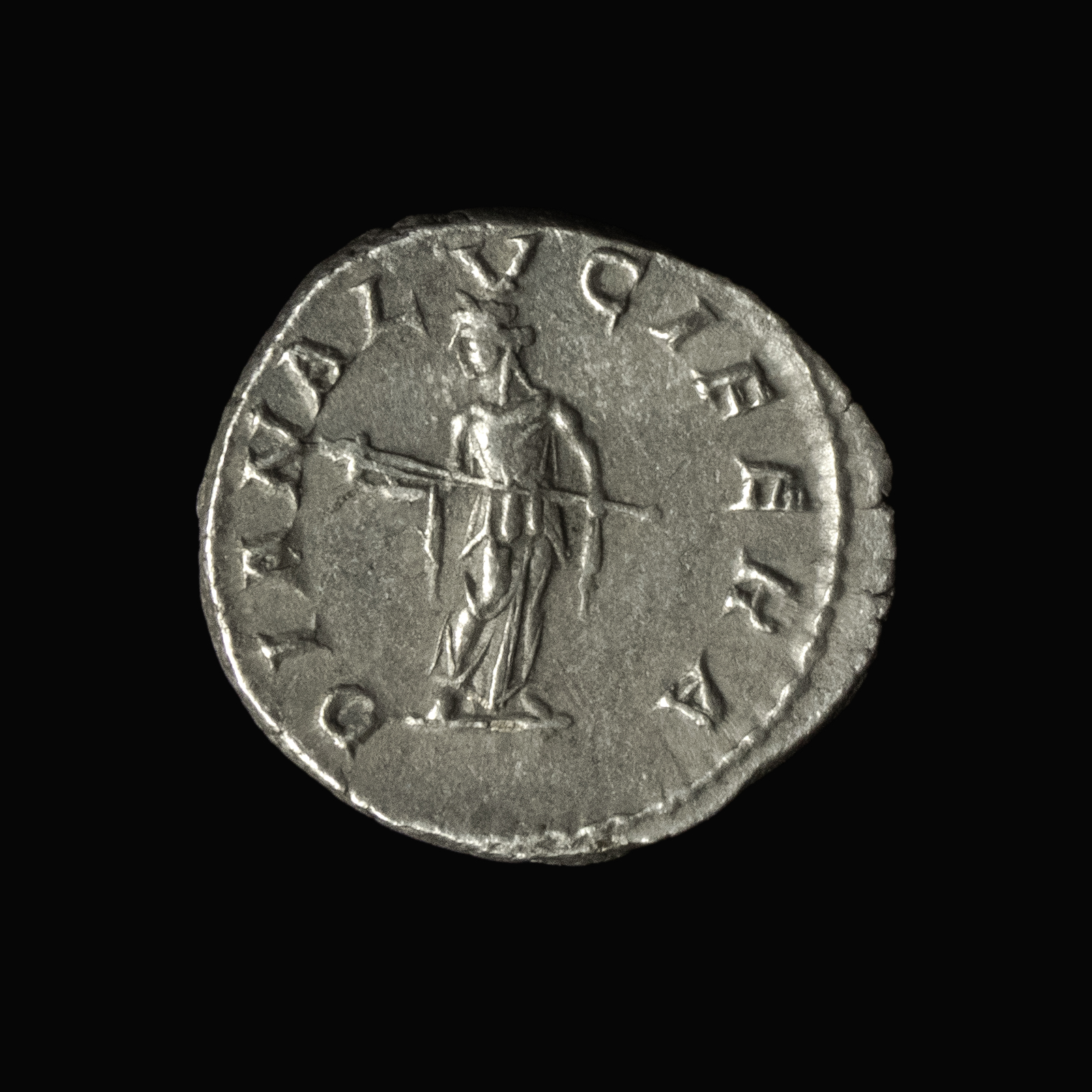
The reverse depicts Diana carrying a long torch. The inscription
names her as the light-bringing goddess. It is Diana, rather
than a second portrait of Julia Domna, that appears here:
a useful reminder to distinguish a historical woman from a
deity on the other side of her coin.
IVLIA PIA FELIX AVG presents Julia with
the epithets pious and fortunate, and the title Augusta.
DIANA LVCIFERA means Diana the
light-bringer. The name, titles and divine imagery form a
carefully composed public message.
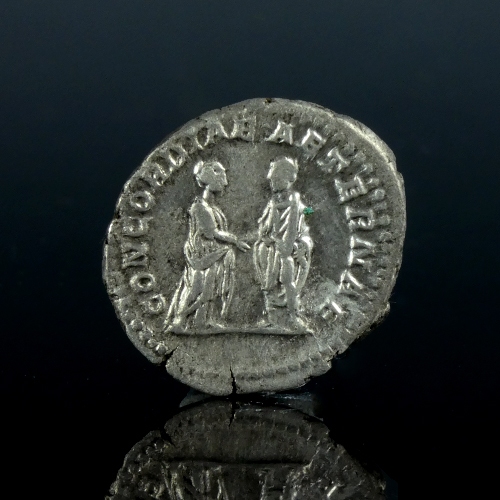
Plautilla and Caracalla joining hands in a promise of harmony.
Silver denarius of Plautilla showing the imperial couple
clasping hands. NumisAntica photographs.
The Tragic Empress
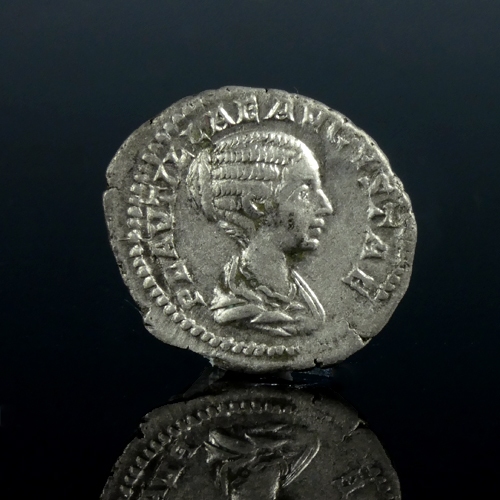
Plautilla’s presence on Roman currency represents a brief but intense moment in imperial history. Married to the future Emperor Caracalla in 202 AD in a politically forced union arranged by her powerful father, Plautianus, her image was immediately disseminated across the Empire's mints. Her coin portraits are particularly interesting to numismatists because they capture her transformation from a young, soft featured girl into a mature woman, marked by distinct shifts in her braided hairstyle. Following her husband’s rise to sole power, Plautilla was exiled and later executed, after which the Senate ordered her memory to be erased. Because her coins were struck over a period of just a few years, they remain highly prized by collectors for their historical rarity and dramatic backstory.
The reverse shows the couple joining hands, a visual expression
of union. It is especially striking when set beside the later
breakdown of Plautilla’s position. A coin can preserve a
political promise that events subsequently overturned.
PLAVTILLAE AVGVSTAE names Plautilla
Augusta in the dative case.
CONCORDIAE AETERNAE means
“to eternal harmony”. The inscription records an
official ideal rather than a reliable description of the
couple’s private relationship.
The imperial couple joining hands: a message of concord.
Antoninianus of Severina with an imperial hand-clasp scene
on the reverse. NumisAntica photographs.
The Only Empress to Rule the Roman Empire Alone
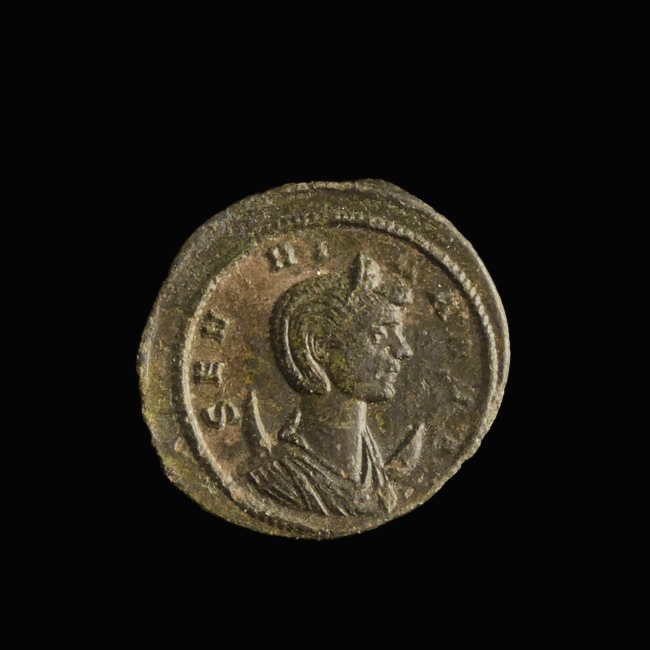
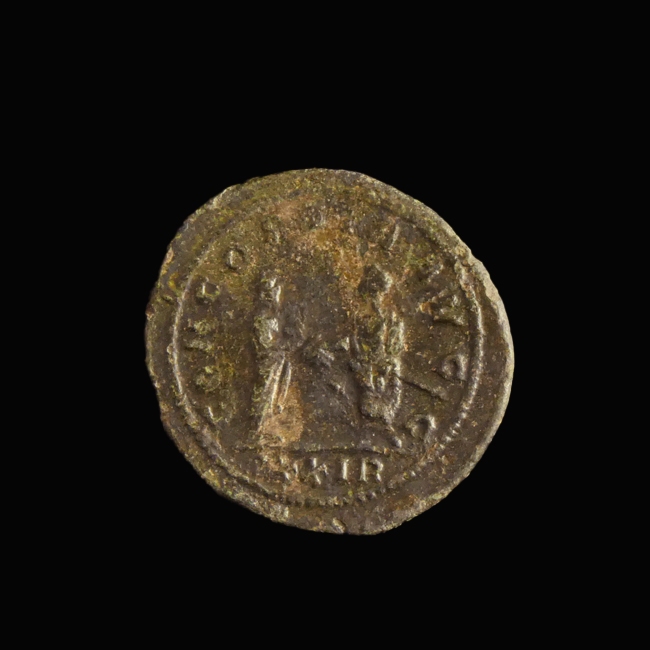
Ulpia Severina, wife of the soldier Emperor Aurelianus, holds a uniquely powerful position in numismatic history. Following her husband’s sudden assassination in 275 AD, numismatic evidence suggests that Severina ruled the Roman Empire independently during an unprecedented interregnum while the Senate deliberated on a successor. During this brief period, the Empire’s mints continued to strike vast quantities of high quality bronze and billon coins in her name. Her portraits present a stern, commanding matron wearing the imperial stephane (diadem) over an intricately braided coiffure. Featuring reverse types like Concordia Militum (harmony with the military), her coinage demonstrates how an Augusta could directly command the loyalty of the Roman Legions and successfully manage the state’s finances in times of political crisis.
This reverse presents an imperial couple joining hands.
The scene connects the Empress with concord within the ruling
house. Beneath her portrait is a crescent, a feature used on
many antoniniani of imperial women; it belongs to the
denomination’s visual language.
SEVERINA AVG identifies Severina Augusta.
CONCORDIA AVGG invokes harmony of the
Augusti: the doubled G marks a plural abbreviation.
The precise political interpretation needs the issue’s
wider context; the inscription alone does not prove that
Severina ruled independently.
A Short Guide to the Inscriptions
A coin’s “legend” is its inscription. Abbreviations save space, and Latin often uses V where modern English uses U. The titles and virtues inscribed on an Augusta’s coinage were carefully chosen to signal her role in the Empire, ranging from her maternal connection to the army to her divine alignment with the gods. The following terms are reading aids for collectors; not every coin carries each one.
Names, titles and messages on Roman imperial women’s coins
Inscription
Meaning
What to Look For
AVG / AVGVSTA
Augusta
An honourific imperial title; it does not by itself
establish a woman’s constitutional powers.
AVGG
Of the Augusti
A plural abbreviation indicating multiple rulers. For example,
AVGG denotes two reigning emperors, highlighting the empress’s
association with the joint imperial rule.
CONCORDIA
Harmony or concord
A personification of political or marital agreement, frequently
depicted alongside a hand clasp or related imagery.
DIVA
Deified woman
A posthumous honour indicating consecration. This status must
be distinguished from lifetime portrait issues.
FECVNDITAS
Fruitfulness or fertility
A celebration of motherhood and imperial children, emphasizing
dynastic continuity and the future of the empire.
IVNO REGINA
Juno the Queen
The divine counterpart to the empress. Just as the emperor
associated himself with Jupiter, the Augusta claimed the authority
of the queen of the gods.
LVCIFERA
Light bringer
A divine epithet connected to illumination and guidance, as seen
with Diana and her torch.
MATER AVGG / MATER SENATVS
Mother of the Augusti / Mother of the Senate
A powerful political title used by influential dynastic mothers
to show that their authority encompassed both the imperial heirs
and the Roman Senate.
MATER CASTRORVM
Mother of the Camps
An exceptional military honour that signifies an active symbolic
and political bond between the Augusta and the Legions.
PIETAS
Piety and duty
A representation of religious devotion, ritual offerings, and moral
obligations to the gods, family, and community.
PVDICITIA
Chaste modesty or virtuousness
A core feminine virtue on Roman coinage, often depicting the
empress drawing her veil, demonstrating her moral fitness and loyalty.
SECVRITAS REIPVBLICE
Security of the State
A title common on the coinage of later imperial women, shifting
the propaganda focus from fertility toward the stable preservation
of the Roman realm.
Public Image Is Not Private Biography
A harmonious reverse design does not prove a harmonious marriage, nor does a youthful portrait establish a woman's true age. Coins reflect the official image that the imperial house chose to project rather than personal reality. To reconstruct an empress's life, numismatic evidence must be combined with archaeology and written history.
Additionally, because ancient writers often viewed powerful women with prejudice, sensational stories require careful scrutiny. Modern research must separate verified historical facts from subsequent rumours and biased interpretations.
Building a Collection with a Story
Collect by Portrait or Dynasty
Consider comparing the women of a single ruling Dynasty, or following the journey of one Empress through her various portrait styles. Provincial coins provide another fascinating angle, sometimes placing the Emperor and an imperial woman on opposite faces of the coin.
Collect by Message
Focus on central imperial themes like harmony, piety, or divine consecration. By comparing the inscription with the visual design, mint, and denomination, you can better understand the coin’s message. Although grade is important, a clearly legible legend or reverse design is particularly rewarding for a narrative driven collection.
Nice that you visit our site. Please indicate here which cookies we may place. The necessary cookies do not collect personal data. The other cookies help us to improve the site and your visitor experience. They also help us to inform you about our products. Are you going for an optimally working website including all the benefits? Then tick all the boxes!